Creating a Cairo-Inspired Graphics Library for MetaTrader 5 (Part 1): Why the terminal needs its own 2D-renderer
Why this article was written
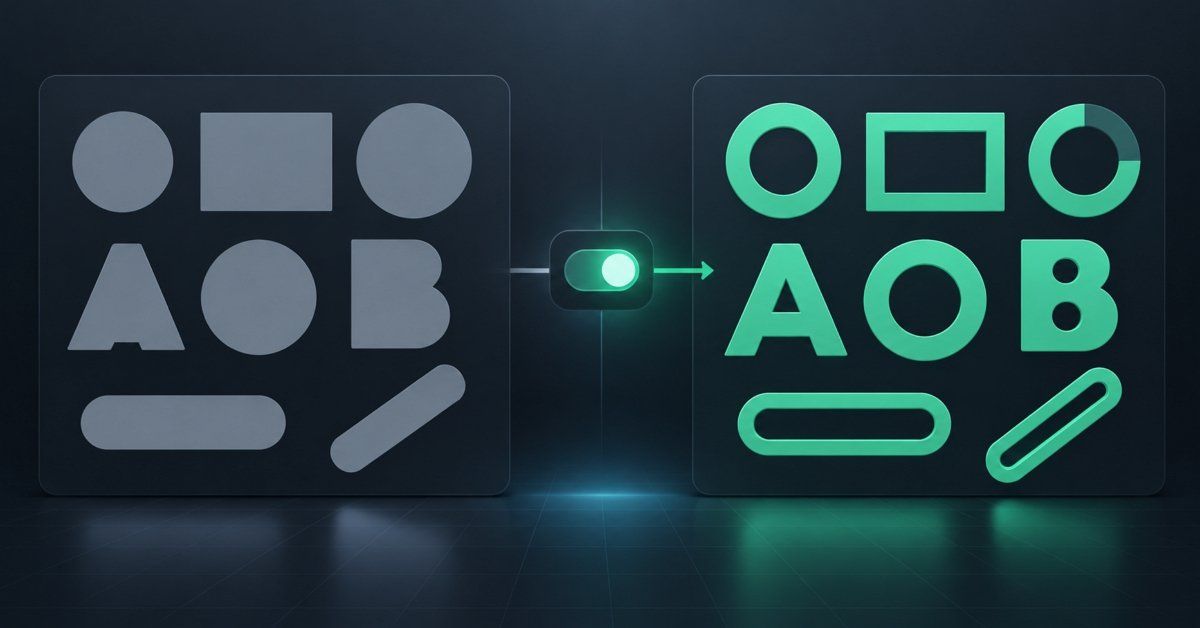
MQL5 gives you chart objects and CCanvas, and both were designed for straight
lines and filled rectangles. The moment a panel needs a rounded card, a ring, a
translucent overlay or a gradient, you run into hard limits: square corners,
jagged edges, no true alpha in object background colors, integer-only geometry,
and a redraw that slows down as the object count grows.
You can reach for a DLL, but then the product will not pass Market validation and many traders will refuse to install it. Part 1 starts the other way round: stay completely inside the terminal, and build the missing renderer in MQL5 itself.
What is inside
The case for a new renderer. A concrete look at what CCanvas and chart
objects cannot do, and why each limitation matters for real interfaces.
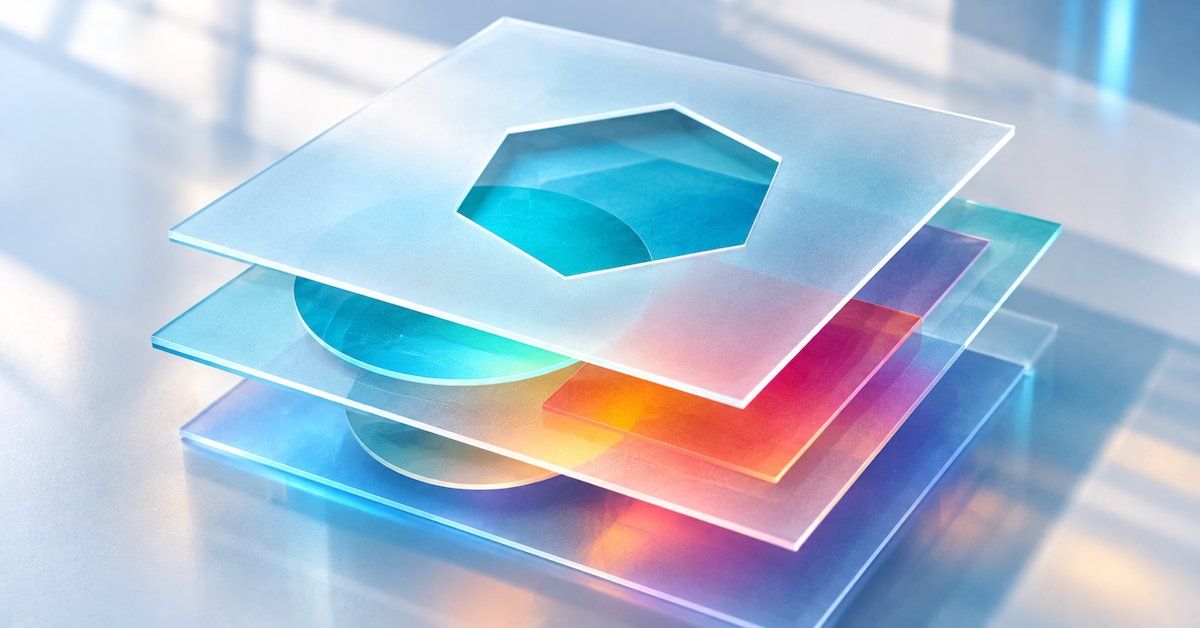
Cairo's model, briefly. Geometry (paths) is kept separate from paint (sources), and a per-pixel coverage mask resolves the two before compositing. That separation is what lets one routine draw every shape — and it is what the rest of the series builds on.
Color.mqh — the color type. A single ARGB value packed into a uint as
0xAARRGGBB, with the conversion and blending helpers every later part needs.
Real transparency starts here.
Surface.mqh — the drawing target. A pixel buffer bound to one
OBJ_BITMAP_LABEL. Every shape in the series is written into this buffer and
delivered to the chart as a single object, so complexity costs you nothing in
chart performance.
A first drawing. A triangle and a circle, painted pixel by pixel in nested loops. It works — and it deliberately shows the two problems that drive Parts 2 and 3: the edges are staircased, and every new shape needs its own function.
What you can do after reading it
Create a surface, put pixels on the chart with real alpha, and understand why the library is split the way it is.
More in this series
Building a real 2D renderer for MetaTrader 5 in pure MQL5 — anti-aliased shapes, transparency and gradients, with no DLLs and no external tools. About this series
- Part 1Why the terminal needs its own 2D-renderer — you are hereSeptember 3, 2026
- Part 2Points, Contours and the PathSeptember 10, 2026
- Part 3Edges and the First Filled ShapeSeptember 28, 2026
- Part 4Anti-Aliasing, Coverage and CompositingSeptember 28, 2026
- Part 5Fill Rules, Holes and BordersOctober 1, 2026
- Part 6Curves and Adaptive FlatteningOctober 23, 2026
- Part 7Arcs, Circles and Rounded RectanglesOctober 27, 2026
Continue reading on MQL5.com
The full article with complete source code is published on MQL5.com.